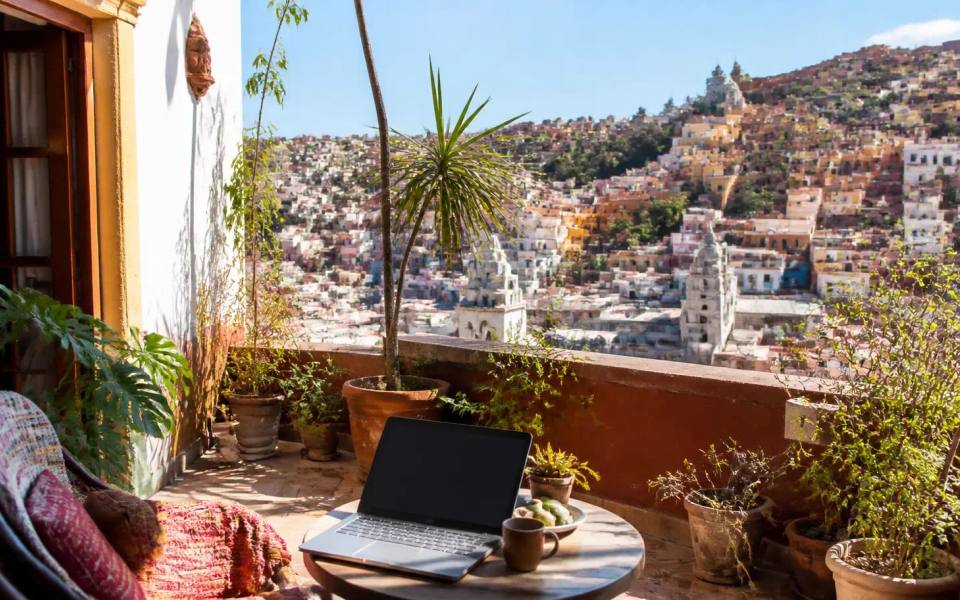
What it actually costs to live in San Miguel de Allende, how residency visas work, which neighborhoods suit which lifestyle, and what to sort out in your first month.
Residency and paperwork
Temporary and permanent residency are applied for at a Mexican consulate in your country of residence, and the financial thresholds (income or savings) are revised each year and vary slightly by consulate. Treat any figure you read online, including old forum posts, as out of date until the consulate confirms it.
Once your visa is issued you enter Mexico with it and complete the exchange for a resident card at an immigration office within a set window. Local immigration facilitators and bilingual lawyers in San Miguel handle this routinely; see professional services listings.
Other first-month tasks: a CURP and RFC if you will sign contracts or invoice, a local bank account (usually easier once the resident card is issued), a Mexican phone number, and utility accounts in your name if you rent long-term.
What living here costs
Instead of quoting a single number, budget by category and check current listings while you plan:
- Housing: the single largest variable. Furnished short-term rentals in Centro cost multiples of an unfurnished annual lease in San Antonio, Guadalupe or further out. Long leases are negotiated, often in person, and often not advertised online.
- Utilities: electricity is cheap if you don't use air conditioning, gas is delivered by tank, water is billed by the municipality, and most people also buy garrafones of drinking water.
- Food: the produce markets are inexpensive; supermarket imports and restaurant meals aimed at visitors are the fastest way to blow a budget. See where to eat.
- Services: cleaning, gardening, laundry and repairs are affordable and mostly arranged by word of mouth or WhatsApp.
- Health and wellness: gyms, yoga, dentists and clinics are well represented — browse health & wellness.
For a realistic comparison, Guanajuato Capital vs. San Miguel de Allende and San Miguel de Allende vs. Querétaro both cover the cost gap with nearby cities.
Choosing a neighborhood
- Centro: walk everywhere, best restaurants and rooftops at your door, highest rents, church bells, festival noise and cobblestones. Best if you don't want a car.
- Colonia San Antonio: the arts neighbourhood, walkable to Centro, more mixed and more local. See the San Antonio guide.
- Colonia Guadalupe: murals, studios, cheaper rents, a short walk in. See the Guadalupe guide.
- Los Frailes and the outskirts: bigger houses, gardens, quiet, parking — and a car becomes non-negotiable.
Rent before you buy, and rent through two seasons if you can: the town in April feels nothing like the town during the late-September fiestas or the December holidays. Our where to stay guide maps the same neighbourhoods from a visitor's perspective, which is a useful trial run.
Settling in
Weather is the easy part: mild and dry most of the year, cool nights in winter, rain in summer afternoons. Altitude is 1,900 m, so expect a couple of weeks of adjustment and dry skin year-round.
The social infrastructure is unusual for a town this size — libraries, language exchanges, galleries, volunteer organisations, classes at the long-established art schools. If you want to meet people, the fastest route is a weekly class or a volunteer commitment, not the rooftop bars.
Two practical warnings. Cobblestones and steep, uneven sidewalks are a genuine mobility issue; walk the street you are considering before you sign. And water pressure, roof leaks and gas supply are the three things most likely to go wrong in older houses — ask the landlord who fixes them and how fast.
Start with the things to do guide and the events calendar so you know what the year actually looks like.
Frequently asked questions
Is San Miguel de Allende expensive to live in? By Mexican standards, yes — it is among the more expensive small cities in the country, driven mainly by housing in and near the historic centre. Living slightly outside Centro on a long unfurnished lease changes the picture substantially.
How do I get residency in Mexico? Applications for temporary or permanent residency are made at a Mexican consulate in your country of residence, then finalised at an immigration office in Mexico. Financial requirements change annually, so confirm the current thresholds with your consulate.
Do I need to speak Spanish to live in San Miguel de Allende? No, you can manage in English in the centre because of the large foreign-resident community. But Spanish makes paperwork, rentals, medical visits and prices noticeably easier.
Is healthcare good in San Miguel de Allende? There are clinics, specialists, dentists and pharmacies in town for routine care, and major private hospitals about an hour away in Querétaro and León. Most foreign residents carry private insurance.
Do I need a car? Not if you live within walking distance of Centro; taxis and buses cover the rest. If you settle in Los Frailes or the outskirts, a car is effectively required.
Is the internet good enough to work remotely? Yes in most of the centre and established colonias, where fibre is available. Always confirm service at the exact address before committing to a lease.
Should I rent or buy first? Rent first, ideally across more than one season. Prices, noise levels and walkability vary sharply street by street, and the town's character changes with the festival calendar.