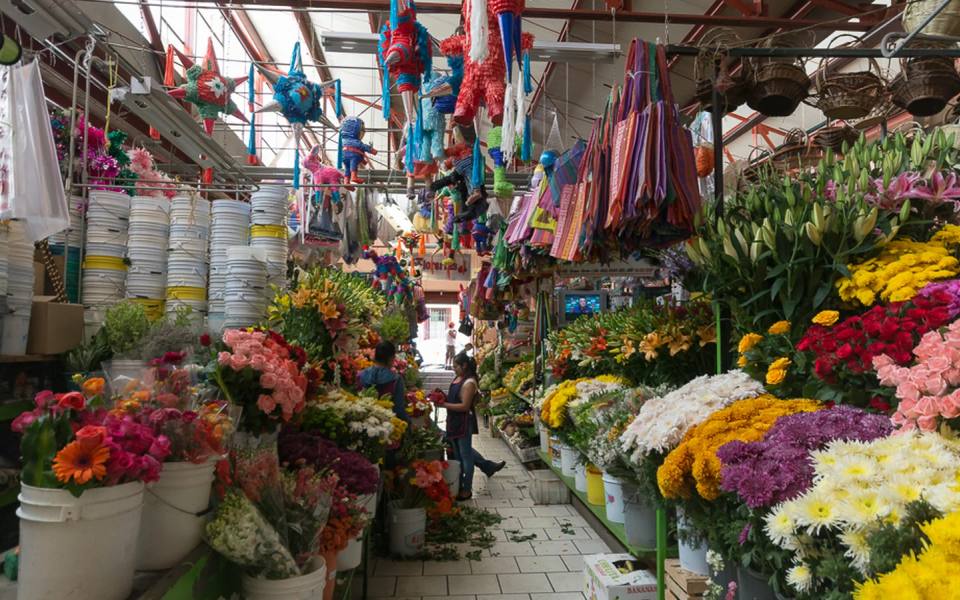
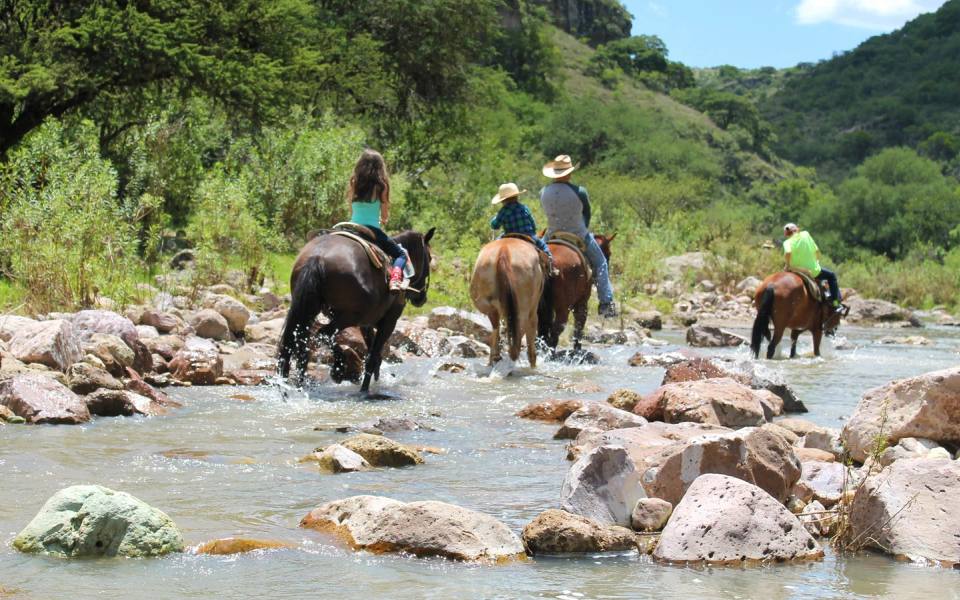
An honest side-by-side of two colonial favourites an hour apart: size, walkability, cost, food, language, atmosphere and day trips — so you can pick the right base, or do both.
Size and walkability
San Miguel is the easier of the two to grasp. The Centro Histórico is a few square kilometres, everything of interest radiates from the Jardín Principal, and you can cross the tourist core on foot in twenty minutes. The trade-off is the ground itself: cobblestones, uneven sidewalks, steep lanes and 1,900 m of altitude. It is hard going with a suitcase, a stroller or a mobility limitation, and most visitors slow down for a day before they find their rhythm. Our Centro Histórico walking guide maps a realistic loop.
Querétaro is the opposite shape: a genuinely large city with a small, beautifully preserved core. Inside that core — the Jardín Zenea, Plaza de Armas, Andador 5 de Mayo and the surrounding andadores — walking is arguably easier than in San Miguel because much of it is pedestrianised and comparatively flat. Step outside it and you are in a modern industrial and tech city where you will want a taxi or rideshare. Los Arcos, the 18th-century aqueduct with its 74 arches, sits about a 25-minute walk east of the centre and is the city's signature view.
Atmosphere: which one feels how
San Miguel is a curated place, and that is both the appeal and the criticism. Facade colours are regulated, the streets are full of galleries, boutiques, design shops and courtyard restaurants, and a long-established foreign resident community has shaped the food and arts scene for decades. The result is polished, romantic and unusually easy for a first-time visitor to Mexico — and, at peak times, visibly built around visitors.
Querétaro has the reputation among travellers of feeling more genuine and less touristy, and in practice that mostly means the centre is used by locals as an ordinary evening out: students, families, office workers, a university crowd, plaza concerts that were not scheduled for anyone's itinerary. It is beautiful, but it is not performing. If you want colonial architecture without the feeling of being inside a destination, Querétaro tends to win. If you want the destination, San Miguel does it better than almost anywhere in Mexico.
Cost: a realistic comparison
Neither city is cheap by Mexican standards, and San Miguel is generally the more expensive of the two — but the gap is narrower than the internet suggests, and it depends heavily on where you eat and sleep.
- Hotels: San Miguel's boutique and heritage-hotel stock is priced for an international market, and rates climb steeply around Día de Muertos, Christmas, Semana Santa and the September fiestas. Querétaro has a much larger and more varied hotel supply — including business hotels that discount at weekends — so the average paid per night is usually lower.
- Eating: in both cities, a comida corrida or market lunch is inexpensive. The difference appears at dinner: San Miguel has a high concentration of internationally priced restaurants and rooftop bars, while Querétaro's centre still mixes those with everyday cantinas and taquerías at local prices.
- Everything else: taxis, museums, buses and groceries are broadly comparable. Querétaro's greater competition simply gives you more options at the low end.
The practical takeaway: a mid-range traveller can usually spend less in Querétaro for the same standard, while a traveller who wants a specific heritage hotel and a tasting menu will pay similar money in either place. For a full breakdown of how the ranges work in this region, see our budget vs. luxury guide.
Food and drink
Querétaro has more range, simply because it is bigger: a serious cantina culture, a strong casual-dining scene along the andadores, markets, and a growing fine-dining and craft-beer presence. It is also the gateway to the Querétaro wine and cheese route around Tequisquiapan and Ezequiel Montes, which is one of Mexico's main wine regions and an easy day out.
San Miguel concentrates on a narrower, more polished band: chef-led restaurants, courtyard dining, an outsized number of good cafés, and rooftop bars with Parroquia views — Luna, Bekeb, Atrio and Quince among them. It punches far above its size, but you will exhaust the headline list in a week; Querétaro you will not.
Language and ease for first-timers
This is the clearest practical difference. In San Miguel's centre, English is spoken in most hotels, restaurants, galleries and shops, there are English-language services, classes and community groups, and you can function comfortably with no Spanish at all. That makes it a soft landing — and it is also why some travellers feel it is less immersive.
In Querétaro, Spanish is the working language almost everywhere outside larger hotels and a few tourist-facing restaurants. Basic Spanish or a translation app will materially improve your trip. Neither city is difficult, but San Miguel asks less of you.
Safety, framed honestly
Both San Miguel de Allende and Querétaro are widely described by travellers and residents as calm places to walk in the historic centre, including in the evening, and both see large numbers of visitors year-round without incident. That is general consensus, not a guarantee, and it should not be stretched into a claim that either city is risk-free or that one is definitively safer than the other.
What we would actually recommend: check your own government's current travel advisory for Guanajuato state and Querétaro state before you book, since advisories are issued at state level and change over time. Then apply the same precautions you would in any unfamiliar city — use official taxis or a rideshare app late at night, keep valuables out of sight, be careful on unlit cobblestone streets, and stick to main routes when walking after dark. Local advice from your hotel is more current than anything an article can offer.
Getting there and getting between them
Querétaro Intercontinental Airport (QRO) is the main gateway for both cities, with connections from several US hubs and Mexico City. From QRO it is roughly 30–40 minutes into Querétaro and about an hour and a quarter to San Miguel de Allende by shuttle or private transfer. Mexico City's airports are three to four hours away by first-class bus.
Between the two cities: frequent first-class buses run from Querétaro's Terminal de Autobuses to San Miguel in about 1h–1h15, and driving takes roughly the same. That proximity is the real answer for many trips — two or three nights in each, in either order, is a comfortable week. See getting to San Miguel de Allende for the route detail.
Day trips from each
From San Miguel: the Sanctuary of Atotonilco (15 minutes, part of the UNESCO listing), Dolores Hidalgo for ceramics and independence history, the semi-ghost mining town of Mineral de Pozos, hot springs in the Cañada de la Virgen valley, and Guanajuato Capital about 1h30 away.
From Querétaro: Peña de Bernal, one of the world's largest monoliths, in a pueblo mágico about an hour out; Tequisquiapan and the wine-and-cheese route; Cadereyta's botanical garden; the Sierra Gorda missions for a longer trip; and San Miguel itself.
So which should you visit?
Choose San Miguel de Allende if you have three or four days, want the most photogenic colonial town in the country, care about galleries and design, are planning a wedding or a romantic trip, or want a trip that works without Spanish. Start with our 3-day San Miguel itinerary.
Choose Querétaro if you want a larger city with more range at a lower average cost, prefer a centre that feels lived-in rather than curated, want flatter walking, are travelling with kids or anyone who struggles with cobblestones and hills, or want a base for Bernal and wine country.
Do both if you have five days or more. They are an hour apart, they are genuinely different in character, and the contrast between them is one of the better weeks available in central Mexico.
Frequently asked questions
Is San Miguel de Allende or Querétaro more expensive? San Miguel is generally the more expensive of the two, mainly because its hotels and visitor-facing restaurants are priced for an international market; Querétaro's larger supply means a wider range and usually a lower average for the same standard.
How far is San Miguel de Allende from Querétaro? About 65 km, which is roughly one hour to one hour and fifteen minutes by car or first-class bus, with frequent departures throughout the day.
Can you visit both San Miguel de Allende and Querétaro in one trip? Yes, easily. Two or three nights in each makes a comfortable week, and Querétaro Intercontinental Airport serves both, so you can fly into one and out of the other without backtracking.
Which is better for a first trip to Mexico? San Miguel is the softer landing because English is widely spoken and the town is small and easy to navigate. Querétaro rewards travellers with some Spanish or more independent-travel experience.
Is Querétaro worth visiting if I have already seen San Miguel? Yes — the two are different in scale and feel. Querétaro offers a much bigger food and nightlife scene, a UNESCO centre used mainly by locals, and access to Bernal and the wine route.
Which city is easier to walk? Querétaro's historic centre is flatter and has more pedestrianised streets, so it is easier underfoot. San Miguel is smaller overall but built on hills and cobblestones at about 1,900 m altitude.