Advisories are written for the whole state. Travellers sleep in specific towns. Here is the honest, city-by-city picture for Guanajuato Capital, San Miguel de Allende, León, Dolores Hidalgo, Salvatierra, Celaya, Irapuato and Salamanca.
Why "is Guanajuato safe" is the wrong question
Guanajuato is one of Mexico's 32 states. It contains a UNESCO-listed colonial capital, one of the most visited expatriate towns in Latin America, a leather-manufacturing metropolis, a petrochemical refinery city and a farming belt. Asking whether the state is safe is like asking whether "California" is safe.
The question that actually helps you is narrower: where will I sleep, where will I walk after dark, and how will I move between cities? Answer those three and you have covered nearly all the real risk of a trip here.
Read the official advisory yourself
We are not going to summarise, soften or paraphrase a government advisory — that is exactly how travellers end up with the wrong picture. Read the current wording yourself before booking, and again shortly before you fly:
- United States: travel.state.gov → Mexico → the Guanajuato section
- Canada: travel.gc.ca → Mexico
- United Kingdom: gov.uk → foreign travel advice → Mexico
- France: diplomatie.gouv.fr → Conseils aux voyageurs → Mexique
Two things to notice while you read. First, the level applies to the whole state. Second, most advisories name specific municipalities or road corridors of concern — those named places are the actionable part, and they are usually not the tourist towns.
Guanajuato Capital
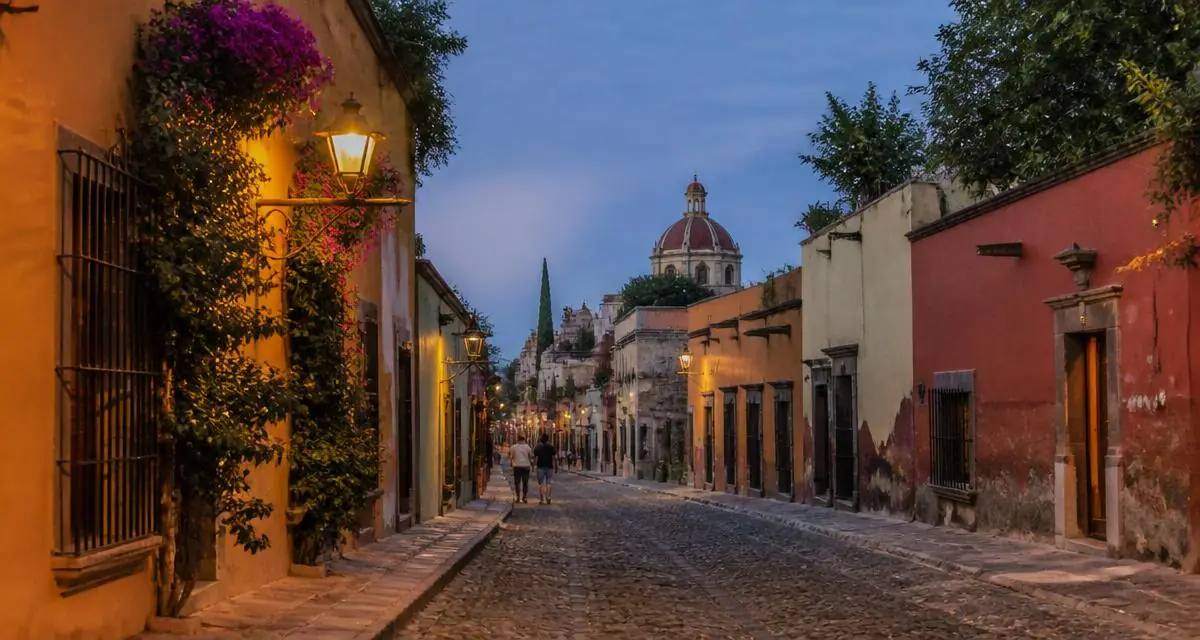
This is the most visited town in the state and the one most travellers mean. The historic centre is a compact bowl of alleys, plazas and tunnels, walkable end to end, and busy with students and visitors well past midnight. Jardín Unión, Plaza de la Paz, Teatro Juárez and the streets between them stay lit and populated.
What actually catches people out here is the terrain, not crime: 18th-century cobblestones polished slick, unmarked steps, steep callejones, and traffic tunnels with narrow pedestrian margins. Walk the tunnels only where there is a proper walkway, and take a taxi rather than a dark shortcut uphill late at night.
Our long-form guide goes street by street: Is Guanajuato Safe? An honest guide for visitors.
San Miguel de Allende
San Miguel has a year-round tourism economy and an unusually large foreign resident community, which means the centre is busy, well lit and full of people walking to dinner. The recurring complaints from visitors are twisted ankles on cobblestones, altitude fatigue on day one, taxi fare disagreements and pickpocketing in festival crowds.
Full detail here: Is San Miguel de Allende safe?
Dolores Hidalgo and Salvatierra
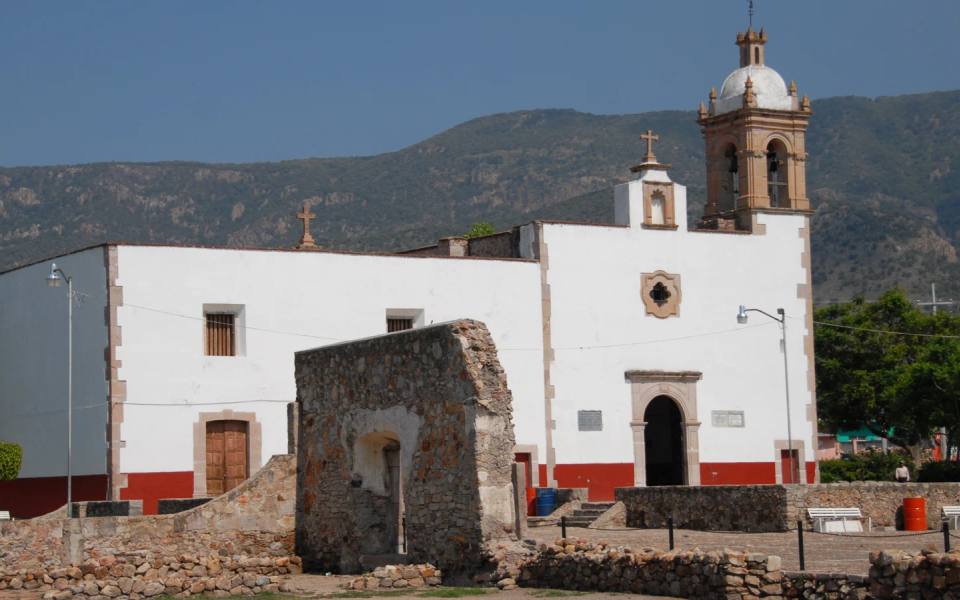
Both are Pueblos Mágicos, both are small, and both are visited mostly in daylight — Dolores for Talavera workshops and the independence sites around the jardín, Salvatierra for its convent, bridges and river walk. In towns this size the practical risks are logistical rather than criminal: the last bus out leaves earlier than you expect, ATMs are clustered around the plaza, and streets empty quickly after dinner.
Plan the day around the bus, not the other way round: How to get to Dolores Hidalgo and How to get to Salvatierra.
León
León is the largest city in the state — over a million people, an international airport (BJX), and Mexico's leather and footwear industry. It is a normal big city, and it behaves like one: busy commercial districts, real traffic, and neighbourhoods that range from polished to rough within a few kilometres.
Visitors overwhelmingly stay in two places. Centro puts you inside walking distance of the cathedral, Plaza Principal and the Zona Piel shopping streets — lively by day, much quieter after the shops close. Campestre is the modern hotel, restaurant and mall district, quiet, well lit and best navigated by car or app taxi. Use app-based rides rather than street taxis, keep phones out of sight in traffic, and treat the Zona Piel as a daytime activity.
More: León neighbourhood guide: where to stay and León practical guide: Centro vs. Campestre.
Celaya, Irapuato and Salamanca
This is the industrial corridor: agriculture, automotive supply, a major refinery. These cities are where state-level advisories are largely pointed, and they are not built for tourism — there is no walkable visitor quarter that stays busy at night the way Guanajuato Capital's does.
That does not make them off limits. It makes them daytime, purposeful destinations: Celaya for cajeta and the Bajío's best-known sweets trade, Irapuato for strawberries and a solid food scene, Salamanca for the Templo de San Agustín. Arrive by day, stay in the recognised hotel districts, use app taxis rather than walking between neighbourhoods, skip late nights out, and do not drive the highways after dark.
City guides: Celaya, Irapuato, Salamanca.
Travelling alone, and women travelling alone
Solo travel is common in both Guanajuato Capital and San Miguel de Allende, and both towns are unusually easy for it: short walking distances, lots of café seating, plenty of other travellers, and evening streets that stay populated rather than emptying at nine.
The habits that make the difference are unglamorous. Share your accommodation address with someone before you arrive. Walk the route from the bus station or hotel to the plaza once in daylight so you know it in the dark. Sit where you can see the door and keep your bag on your lap rather than on the back of a chair. Decline the second drink from a stranger. Ask your restaurant to call a taxi rather than flagging one on an empty street — it costs the same and takes four minutes.
Catcalling is reported far more often than any actual threat; ignoring it and continuing to walk is the standard local response.
Night, taxis and getting home
In the colonial towns the safest late-night plan is boring: stay on the lit main streets, and take a taxi for anything uphill, unfamiliar or more than ten minutes out. Ask the bar or hotel to call one. Agree the fare before you get in when there is no meter.
App-based rides work reliably in León, Celaya and Irapuato and are the better default there. Availability in Guanajuato Capital and San Miguel is patchy, partly because of the alleys and one-way tunnels — do not build your evening around the assumption that a car will appear.
Arriving late is the one situation worth spending money on. If your flight into BJX or Querétaro lands after dark, pre-book the transfer instead of improvising at the terminal.
Driving between cities
The highways here are good and the toll roads are well maintained. Three rules cover almost everything:
- Drive in daylight. This is the single most repeated piece of advice from residents, and it is about unlit roads, livestock, unmarked topes and breakdown exposure as much as anything else.
- Take the cuota (toll) road, not the libre. It is faster, better surfaced and better patrolled, and the toll is small.
- Keep the tank above half and phones charged. Stations thin out between towns.
Also: park in a hotel lot or a paid estacionamiento rather than on the street overnight, leave nothing visible inside the car, and do not stop for anyone flagging you down on an open highway — drive to the next tollbooth or town.
Altitude, sun, water and food
More visitors have their trip ruined by these than by anything criminal.
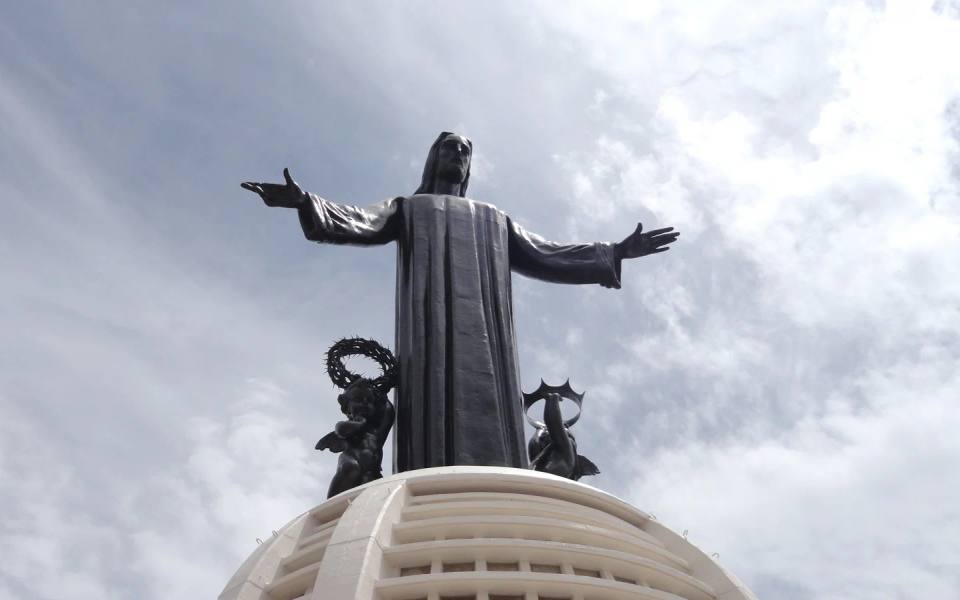
Altitude. Guanajuato Capital sits at roughly 2,000 m and San Miguel at about 1,900 m. Expect breathlessness on the stairs and unusual tiredness on day one. Drink more water than feels necessary, go easy on alcohol the first night, and do not schedule the Pípila climb as your first activity.
Sun. High-altitude sun is far stronger than the temperature suggests. Hat, sunscreen and shade between noon and four.
Water. Drink bottled or filtered water; every hotel and restaurant works on that basis. Ice in established restaurants is made from purified water and is not the problem people assume.
Food. Busy stalls with high turnover are the safe ones. The usual sensible order applies: hot food served hot, fruit you peel yourself, and give your stomach a day before the spiciest street food.
Money, ATMs and scams
Use ATMs inside bank branches during opening hours rather than standalone machines in the street, cover the keypad, and decline the machine's own currency-conversion offer — always take the charge in pesos.
Carry a small amount of cash for markets, taxis and small restaurants; cards are widely accepted in hotels and larger places but not everywhere. Keep cards and cash split between two places.
The scams that actually show up are minor: an unmetered taxi quoting a tourist price after the ride, a "closed" attraction and a helpful stranger with a better idea, a bill with an item you did not order. Confirm prices first, and check the bill.
Frequently asked questions
Is Guanajuato Capital safe to walk at night?
The lit central streets — Jardín Unión, Plaza de la Paz, the Teatro Juárez area and the main restaurant blocks — stay busy well past midnight and are walked routinely by visitors and students. Take a taxi instead for steep, dark or unfamiliar callejones, and for anything more than a ten-minute walk out of the centre.
Is León safe for tourists?
León is a normal large industrial city rather than a tourist town. Visitors stay in Centro or Campestre, use app-based taxis instead of street cabs, treat the Zona Piel leather district as a daytime activity, and do not walk between distant neighbourhoods at night.
Should I avoid Celaya, Irapuato and Salamanca?
Avoiding them entirely is not necessary, but treat them as daytime destinations with a purpose rather than places to wander. Arrive by day, stay in the established hotel districts, use app taxis, and do not drive the highways after dark.
Which is safer, Guanajuato Capital or San Miguel de Allende?
Neither one is meaningfully "safer" than the other, and we will not pretend to rank them. Both are heavily visited colonial towns with busy, well-lit centres and the same practical risks: cobblestones, altitude, and pickpocketing in festival crowds.
Do travel advisories mean I should cancel my trip?
An advisory is information, not a verdict. Read the current wording yourself, note the specific municipalities and road corridors it names, compare those to your actual itinerary, and check whether your travel insurance references advisory levels.
Is it safe to drive from Mexico City to Guanajuato?
Residents drive it routinely. Do it in daylight, take the toll road the whole way, keep the tank above half, and start early enough that you arrive before dark rather than pushing on at night.
Can women travel alone in Guanajuato?
Solo female travel is common in Guanajuato Capital and San Miguel de Allende, both of which have short walking distances and evening streets that stay populated. The usual habits apply: know your route home in daylight, keep your bag with you, and have the restaurant call a taxi late at night.